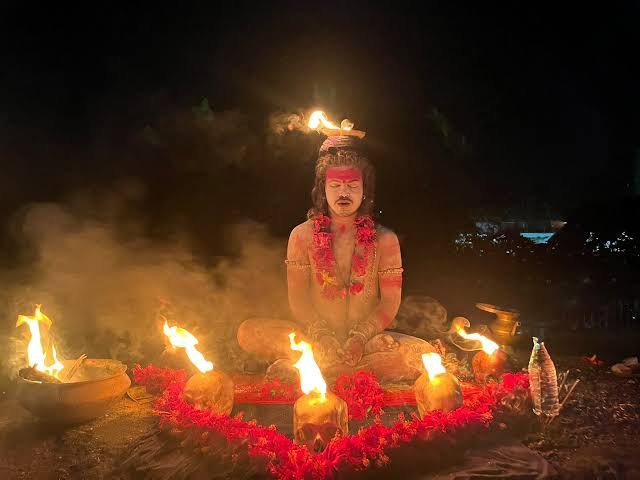
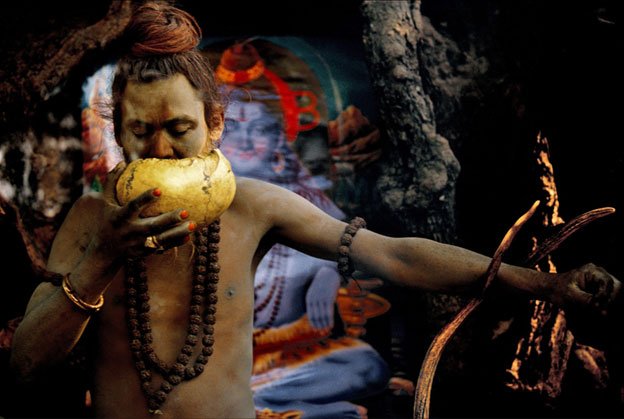
In Indian spiritual traditions, Tantriks perform different types of rituals, mantra chanting, meditation and worship to develop spiritual discipline and seek Siddhi (spiritual accomplishment). These practices are connected with ancient Tantra Vidya and different forms of Hindu worship.
Tantrik rituals are traditionally performed to seek blessings from deities, improve concentration, develop self-discipline and deepen spiritual understanding. Different Tantrik traditions follow different methods depending on their religious beliefs and spiritual lineage.
1. To Attain Spiritual Siddhi
One of the traditional goals of Tantrik practices is attaining Siddhi, which refers to spiritual accomplishment or mastery through dedicated practice. Mantra chanting, meditation and religious rituals are considered important disciplines in this journey.
2. To Worship Goddess Kali
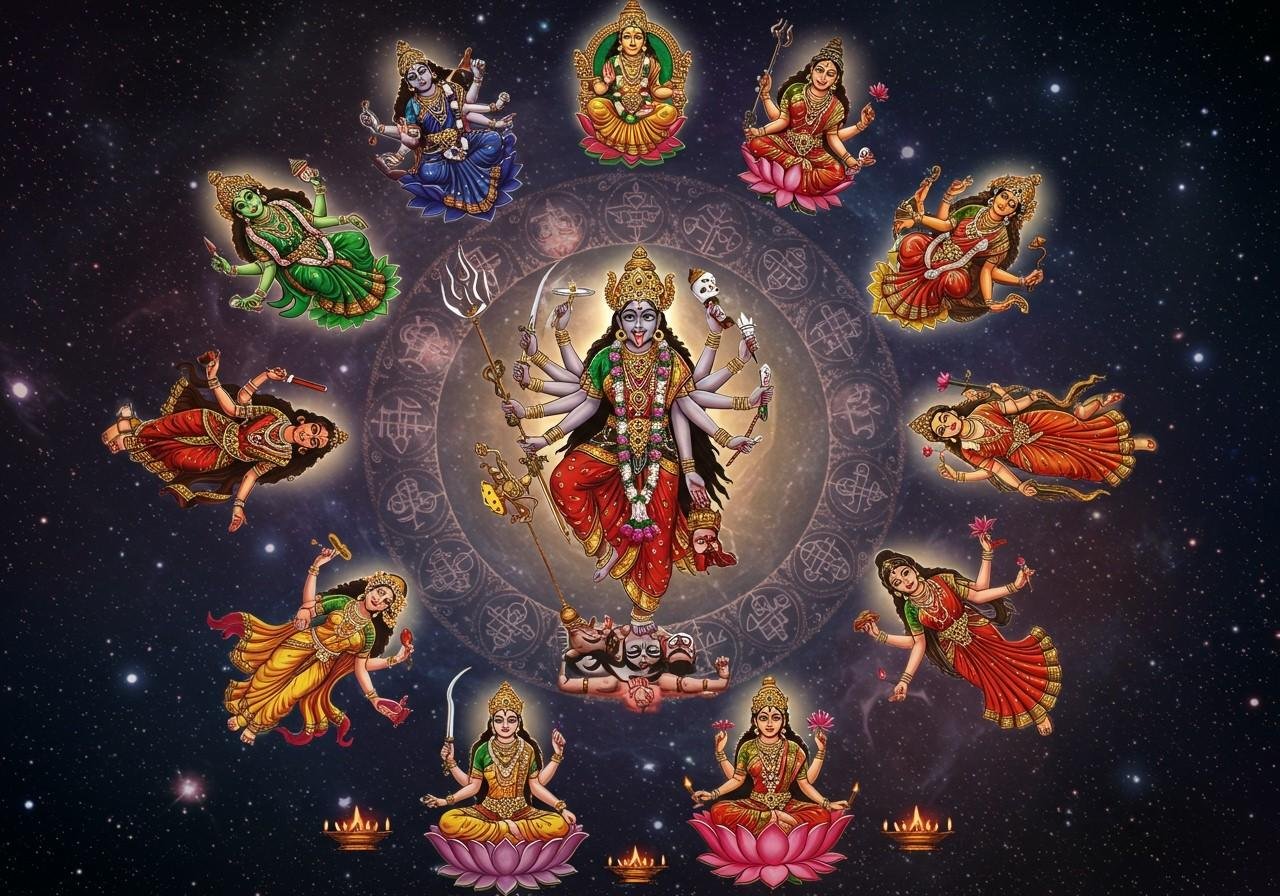
Many Tantrik traditions are associated with Maa Kali. Practitioners worship Goddess Kali through specific mantras, puja, meditation and traditional ceremonies to seek her blessings and divine guidance.
3. To Develop Mantra Shakti
Mantra chanting is an important part of Tantra Vidya. Practitioners regularly recite sacred mantras as a form of devotion, meditation and spiritual discipline.
4. To Gain Spiritual Knowledge
Tantrik rituals are also performed as part of learning ancient scriptures, understanding spiritual philosophies and following traditional methods of worship.
5. To Practise Meditation and Self-Control
Some Tantrik traditions emphasise meditation, concentration, discipline and control over the mind. These practices are intended to help practitioners develop inner awareness and spiritual understanding.
6. To Seek Divine Protection and Blessings
Tantriks may perform traditional puja and religious ceremonies dedicated to deities such as Maa Kali, Maa Durga, Maa Tara and Goddess Baglamukhi to seek protection, blessings and spiritual strength.
Why Is Siddhi Important in Tantra Vidya?
In traditional Tantra, Siddhi represents spiritual accomplishment achieved through dedicated practice, discipline and devotion. However, beliefs about supernatural powers and extraordinary abilities are not scientifically established. Tantra also includes philosophical, devotional and meditative traditions that do not focus on supernatural powers.
Conclusion
Tantriks perform rituals for different spiritual purposes, including Siddhi, Mantra Shakti, meditation, devotion and divine blessings. These practices form part of India’s diverse Tantrik traditions and reflect the historical relationship between Tantra Vidya, Shakti worship and spiritual discipline.