West Bengal is widely known for its rich traditions of Shaktism, Goddess worship and Tantra Vidya. The region has a long history of religious practices associated with Maa Kali, Goddess Tara and other forms of Shakti. This is one reason Bengal is frequently associated with Tantrik rituals, mantra chanting, Kali Puja and traditional spiritual practices.
Tantra has played an important role in Bengal’s religious and cultural history. Many temples, religious festivals, spiritual traditions and sacred places in the region are connected with Goddess worship. Tantrik traditions have developed over generations, with different practitioners following their own methods of worship, meditation and spiritual discipline.
1. Strong Tradition of Maa Kali Worship
One of the biggest reasons Bengal is associated with Tantra is the widespread worship of Maa Kali. Goddess Kali holds a special place in Bengali religious culture and is worshipped in temples, homes and during major festivals.
Kali Puja is one of the most important religious celebrations in West Bengal. Devotees worship Maa Kali through traditional puja, mantra chanting, devotional offerings and religious ceremonies.
In several Shakta Tantrik traditions, Maa Kali is considered an important deity representing divine energy, transformation and spiritual power.
2. Historical Influence of Shaktism in Bengal
Shaktism is a Hindu tradition that focuses on the worship of Shakti, the divine feminine power.
Bengal has historically been an important centre of Shakta worship. Many religious traditions in the region are associated with Goddess Kali, Durga, Tara and the ten Mahavidyas.
The influence of Shaktism helped establish a strong cultural connection between Bengal, Goddess worship and Tantra Vidya.
3. Famous Tantrik Temples and Shakti Peethas
Bengal has several famous temples associated with Shakti worship and traditional Tantrik practices.
Some well-known religious places include:
- Kalighat Kali Temple: One of the most famous Kali temples in Kolkata and an important Shakti Peetha.
- Tarapith Temple: A famous pilgrimage destination associated with Goddess Tara and Tantrik traditions.
- Dakshineswar Kali Temple: A prominent temple dedicated to Maa Kali.
- Kankalitala Temple: A sacred Shakti Peetha associated with Goddess worship.
These religious destinations attract devotees, pilgrims and visitors interested in Bengali spiritual traditions.
4. Tarapith and Its Connection With Tantra Vidya
Tarapith is among the most recognised places associated with Tantrik traditions in Bengal.
The temple is dedicated to Goddess Tara, an important deity in the ten Mahavidya tradition. Tarapith is also known for its nearby cremation-ground traditions, which have a historical association with certain forms of Tantrik worship.
Practitioners and devotees visit Tarapith to worship Maa Tara, perform traditional puja and seek spiritual blessings.
The religious importance of Tarapith has contributed significantly to Bengal’s association with Tantra Vidya.
5. Influence of the Ten Mahavidyas
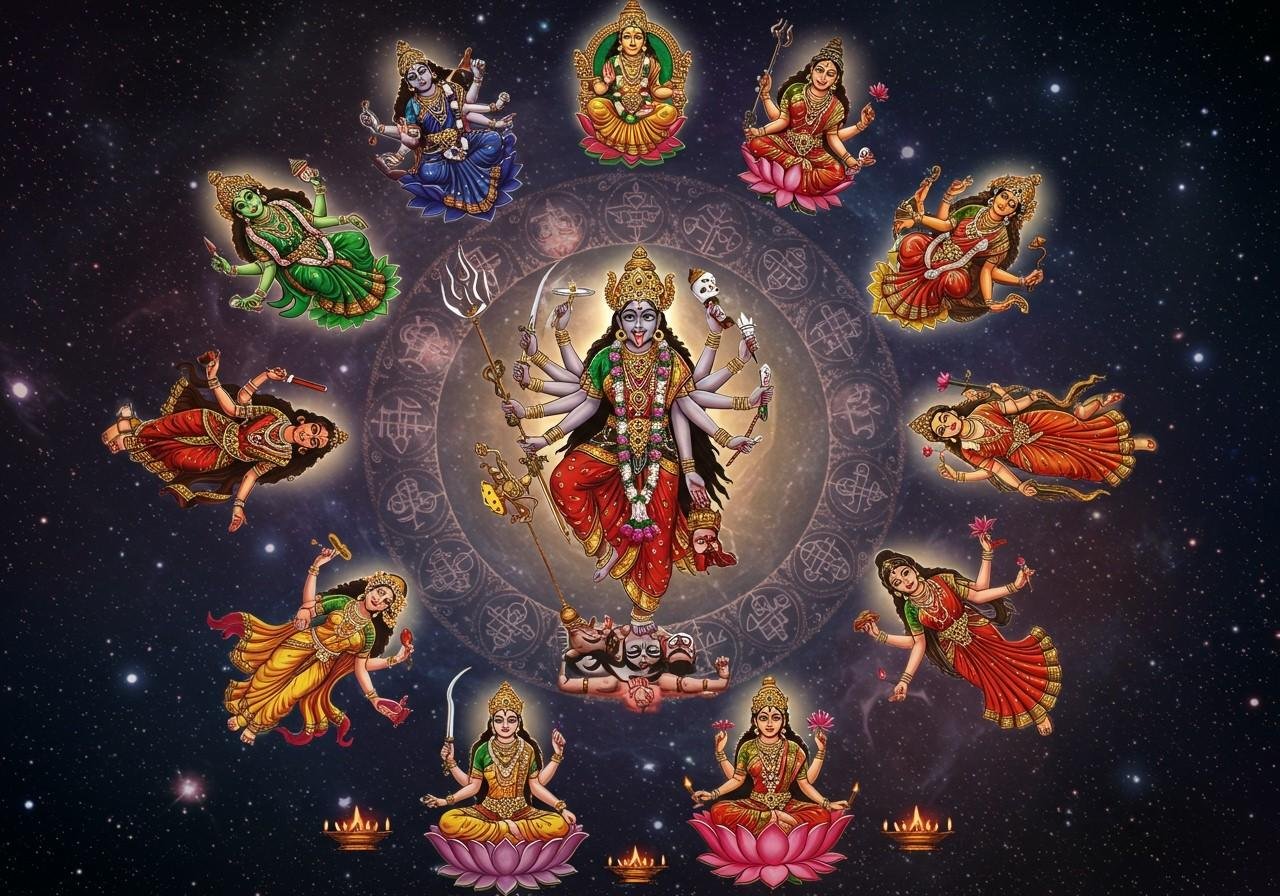
The ten Mahavidyas are an important part of Shaktism and several Tantrik traditions.
Bengal has a strong cultural and religious connection with Mahavidya worship, particularly Goddess Kali and Goddess Tara.
The ten Mahavidyas include:
- Maa Kali
- Maa Tara
- Tripura Sundari
- Bhuvaneshwari
- Bhairavi
- Chhinnamasta
- Dhumavati
- Baglamukhi
- Matangi
- Kamala
Each Goddess represents different aspects of divine feminine energy and has distinct religious significance.
6. Ancient Tantra Literature and Spiritual Traditions
Bengal has contributed significantly to the history of Indian Tantrik literature and Shakta philosophy.
Traditional texts, religious teachings and devotional literature have helped preserve different forms of Tantra Vidya across generations.
The region has also been associated with influential spiritual figures, including Ramakrishna Paramahamsa, whose devotional life was closely connected with Maa Kali.
These historical and religious influences helped make Bengal an important region in the development of Shakta traditions.
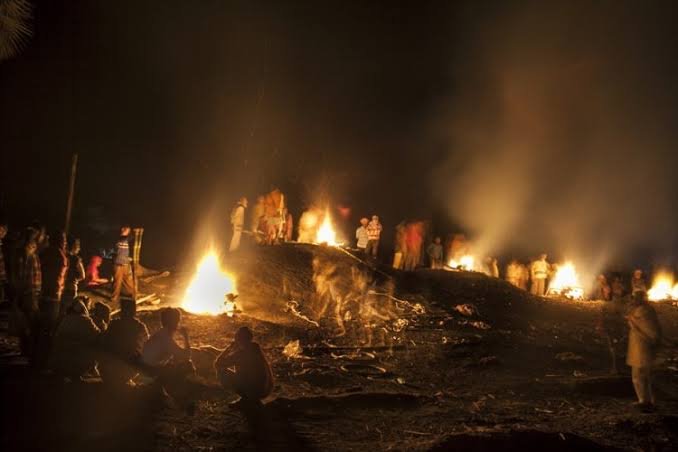
7. Cremation Ground Traditions and Tantrik Practices
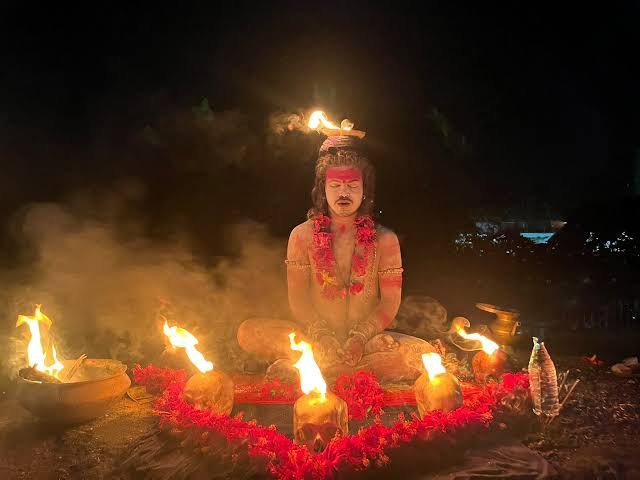
Certain Tantrik traditions in Bengal are associated with cremation grounds, particularly those connected with the worship of Maa Kali and Goddess Tara.
In some religious philosophies, cremation grounds represent impermanence, detachment and the nature of life and death.
Certain practitioners use these settings for meditation and specialised religious practices according to their spiritual traditions.
However, not all Tantriks perform cremation-ground rituals. Many practitioners focus on temple worship, mantra chanting, meditation and traditional puja.
8. Bengali Festivals and Tantrik Culture
Religious festivals have also contributed to Bengal’s strong association with Shakta and Tantrik traditions.
Some important celebrations include:
- Kali Puja: Dedicated to Maa Kali and celebrated widely across Bengal.
- Durga Puja: One of the most important festivals in Bengali culture.
- Navratri: Celebrated through the worship of different forms of Goddess Shakti.
- Tara Puja: Associated with Goddess Tara and her traditional worship.
These festivals preserve religious customs and strengthen the cultural connection between Bengal and Goddess worship.
Why Is Bengal Famous for Tantrik Baba and Tantra Vidya?
Bengal is associated with Tantrik Baba traditions because of its historical connection with Shaktism, Kali worship, Tara worship, Mahavidya traditions and ancient Tantrik literature.
Places such as Tarapith and Kalighat have helped establish Bengal’s reputation as an important destination for devotees interested in Tantra Vidya and traditional Goddess worship.
However, Tantra is not exclusive to Bengal. It is practised in different forms across India, including Assam, Odisha, Rajasthan, Uttar Pradesh and other regions.
Conclusion
Bengal’s association with Tantrik rituals comes from centuries of religious history, Shakta traditions, Maa Kali worship and the importance of sacred places such as Tarapith and Kalighat.
From ancient Tantra Vidya and Mahavidya worship to Kali Puja and traditional mantra practices, Bengal has preserved a distinctive part of India’s spiritual heritage. Its religious traditions continue to attract devotees and researchers interested in understanding the history of Tantra in India.